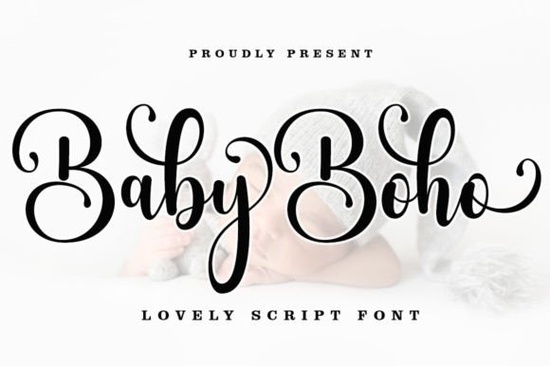
If you need a relaxed, hand-drawn script that feels modern and approachable, Baby Boho Font delivers exactly that. This casual calligraphy typeface includes a regular weight and a practical set of swashes that add movement without looking overly decorative. Designers, crafters, and small shop owners often choose this style for logos, product packaging, and wedding stationery.
What makes this script style work for branding and crafts?
The strength of a modern calligraphy design lies in its balance. Too many flourishes make text hard to read, while a plain script can feel flat. This typeface keeps base letters clean and reserves decorative swashes for word beginnings and endings. You can keep headlines simple for labels or activate extended characters for invitations that need a softer tone. When you want a sweeter vibe for bakery tags, you might also browse options like playful dessert branding to see how stroke weights change your packaging mood.
How do I access the swashes and alternate characters?
Hidden glyphs that only work in expensive software are a common frustration. This font solves that problem with full PUA Unicode encoding. Every alternate letter and ligature is directly accessible through standard system tools.
- Mac users: Open Font Book and switch to the Repertoire view to copy any character.
- Windows users: Launch Character Map, select the font, and click the alternates you want to paste.
- Design apps: Copied characters paste cleanly into Canva, Illustrator, Cricut Design Space, and Silhouette Studio.
Direct access saves time when mocking up product variations. If you prefer a more unstructured look for personal notes, comparing it with personal note styling can help you decide which stroke rhythm fits your project.
Which projects fit this casual calligraphy look best?
A versatile regular weight with optional flourishes covers many creative tasks. Here is where this style performs well:
- Wedding paper goods: Invitations, place cards, and menu headers that need a warm feel.
- Small business branding: Logos, social quotes, and banners that require an approachable voice.
- Packaging and labels: Candle jars, cosmetic tubes, and food pouches where readability matters.
- Signage and posters: Boutique decals and market banners that benefit from flowing end strokes.
Always test text at final print size. Scripts lose detail when scaled down on textured paper. If your project leans toward rustic kitchen goods, looking at rustic kitchen labels might give you ideas for pairing scripts with sturdy serif fonts.
What should I check before adding a new typeface?
Start by verifying the license matches your intended use. Commercial work, especially digital downloads, often requires a specific license. Read the creator’s terms before listing items for sale. Next, test the font in your actual workflow. Type realistic phrases, check capital connections, and ensure punctuation sits cleanly beside swashes. If you create planner inserts, you might also explore everyday journaling styles to keep interior pages readable. Finally, consider file compatibility. Cutting machines sometimes struggle with complex ligatures, so keep a backup of copied glyphs in a text document.
How do I get the most out of this font?
Consistent spacing and thoughtful character selection separate rushed mockups from polished designs. Use the regular weight for most text, and reserve swashes for the first and last letters of a phrase. Avoid stacking multiple alternates in one line, as they can collide. Stick to one script and one neutral companion font to keep layouts clean. If you design vintage-inspired merchandise, you can also review retro athletic lettering to see how contrasting styles create visual hierarchy.
Quick prep checklist before you start:
- Confirm the license covers your commercial or personal use.
- Install the font and restart your software if glyphs do not appear.
- Copy preferred swashes into a reference note using system tools.
- Test headlines at actual print size to check clarity.
- Pair the script with a simple sans-serif for body text.
Save your favorite character combinations in a template file, and you will cut layout time in half on future projects.
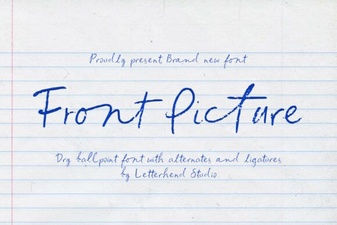 Choosing Fonts for Hero Images & Landing Pages
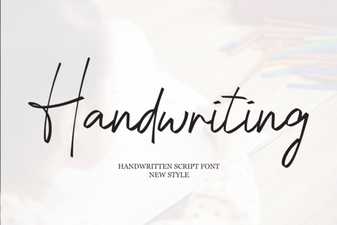 Beautiful Handwriting Fonts for Your Creative Projects
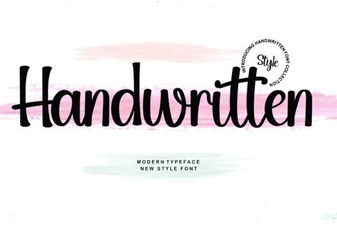 Craft Unique Projects with Handwritten Font Styles
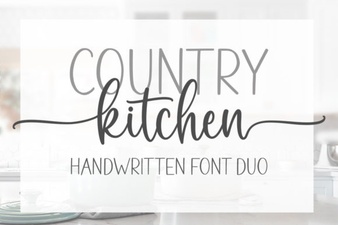 Country Kitchen Fonts for Home & Craft Projects
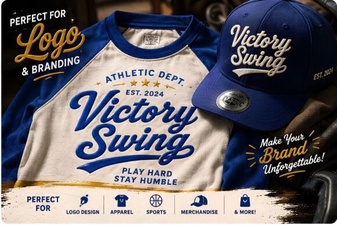 Victory Swing Font: Elegant Design for Creative Projects
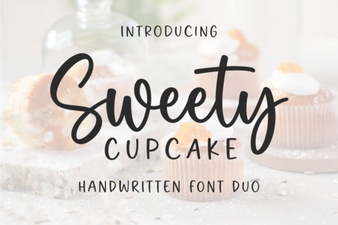 Sweet Cupcake Font: Craft Creative & Fun Designs