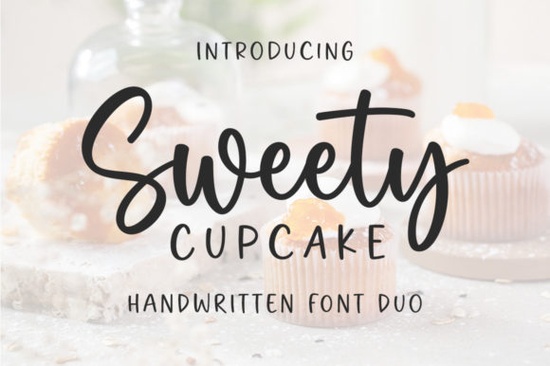
If you need a typeface that balances clean readability with a personal touch, Sweet Cupcake Font delivers exactly that. This duo pairs a straightforward sans serif with a smooth handwritten script, giving you two complementary styles in one download. The characters are carefully spaced, which means you can drop them into logos, product labels, or social graphics without spending hours adjusting kerning.
What makes this duo font work so well together?
Most font pairings fail because the styles compete for attention. This set avoids that problem by keeping the sans serif neutral and letting the script carry the personality. The handwritten side flows naturally without excessive swashes, so it stays legible at smaller sizes. Meanwhile, the sans serif grounds the layout with consistent stroke widths. You will notice how the letterforms share a similar x-height, which keeps your baseline steady across mixed text blocks. This balance makes it much easier to maintain visual harmony when you are working quickly.
Which projects actually benefit from a sans serif and script pairing?
Designers and small business owners usually reach for a duo like this when they need versatility without buying multiple separate families. Here is where it performs best:
- Print-on-demand apparel: Script for short quotes, sans serif for sizing details.
- Event stationery: Handwritten style for names, clean companion for addresses.
- Product labels: Ingredients in the sans serif, product title in the flowing script.
- Social templates: Expressive headlines with straightforward body text for mobile scanning.
If you prefer a relaxed vibe for nursery decor, explore options like soft boho lettering to see how stroke textures change the mood. For layouts requiring strict vertical rhythm, checking out structured script alternatives helps you compare spacing approaches.
How do I install and pair these fonts without cluttering my design?
Install both the .OTF and .TTF versions so your software recognizes them properly. When laying out text, stick to a simple hierarchy. Use the handwritten font for one focal element per layout, like a title or tagline. Let the sans serif handle everything else. Keep line spacing around 1.2 to 1.4 for the script, and tighten it slightly for the sans serif if you use all caps. Crafters using cutting machines should remember to weld overlapping script letters before sending the file to your cutter. If you need a reference for how these styles render across different programs, you can preview Sweet Cupcake Font directly on the marketplace.
Color choice matters just as much as font selection. Dark charcoal reads cleaner than pure black on screen, especially for thinner strokes. When exporting for print, convert text to outlines to avoid substitution errors.
What should I check before using a font for commercial products?
Licensing is the part most creators overlook. Always verify whether the download includes a commercial license, especially if you plan to sell physical goods or digital templates. Check the allowed number of end products and whether you can embed the font in editable files. Some marketplaces restrict trademark registration with certain typefaces, so read the terms carefully. When you compare this duo with other casual handwriting styles, clear licensing documentation saves time and prevents costly redesigns.
If you test different moods for seasonal campaigns, look at how vintage-inspired scripts handle textured backgrounds. Switching between a modern flow and a retro bounce refreshes your product lineup quickly.
How do I get the most out of this download today?
Start by typing out your most common phrases. Test the script at 24pt, 36pt, and 48pt to see where thin strokes disappear. Pair it with the sans serif at a 2:1 size ratio, then adjust tracking until the words sit comfortably. Before you publish or print, run through this quick checklist:
- Confirm the commercial license covers your sales channel
- Check contrast ratios for web use and adjust weight if needed
- Outline text or embed fonts in final print files
- Test readability on mobile screens and at actual print size
- Save a style sheet with exact names, sizes, and spacing values
Keep your layout simple, let the type do the heavy lifting, and you will have a reliable font pair ready for your next project.
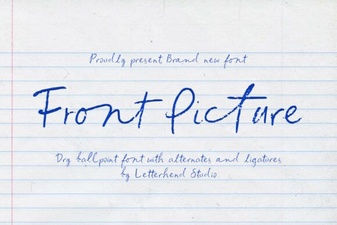 Choosing Fonts for Hero Images & Landing Pages
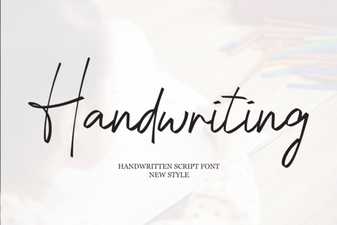 Beautiful Handwriting Fonts for Your Creative Projects
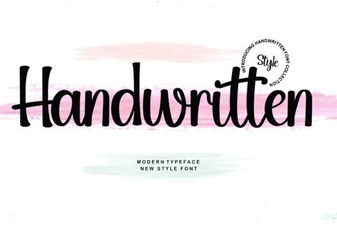 Craft Unique Projects with Handwritten Font Styles
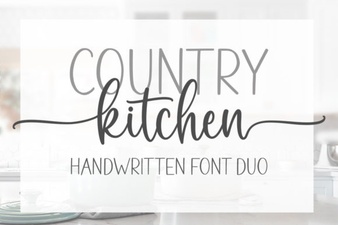 Country Kitchen Fonts for Home & Craft Projects
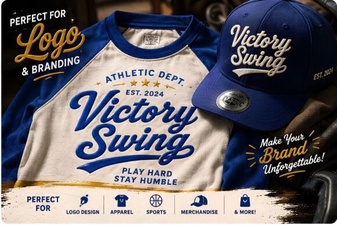 Victory Swing Font: Elegant Design for Creative Projects
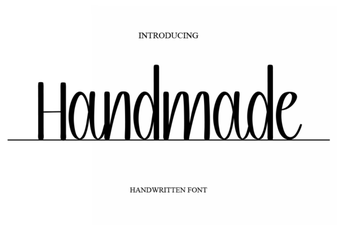 Unique Handmade Fonts for Creative Projects