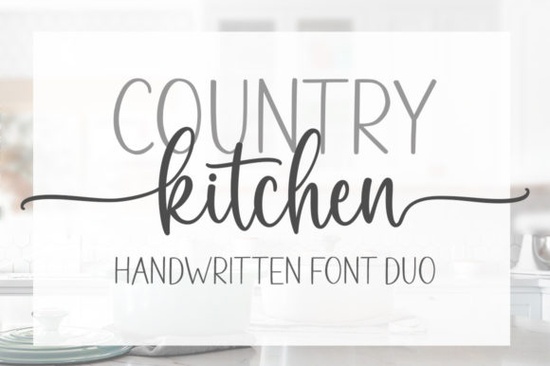
If you need a typeface that feels warm, handwritten, and ready for everyday crafting, Country Kitchen Font delivers exactly that. It comes as a two-font set built to work side by side, giving you a main script and a clean supporting style. Whether you are designing printable wall art, labeling pantry jars, or setting up a print-on-demand shop, having a reliable handwritten pair saves time. The letters carry a relaxed rhythm that reads well on both screens and physical products.
What makes this font pair work so well together?
Most script fonts struggle when paired with another decorative typeface, but this set was drawn to avoid that problem. The primary font carries soft curves and gentle baseline shifts, while the secondary font offers a straightforward structure. When you place them on the same layout, the contrast feels intentional. Designers often use the script for headlines, then switch to the companion font for subheadings or small details. If you usually browse through handwritten typefaces for front cover layouts, you will notice how the weight distribution here keeps longer lines readable without losing that personal touch.
Which projects actually benefit from a handwritten style like this?
Not every design needs a formal serif or a geometric sans. Casual, craft-driven work thrives on letters that look drawn by hand. This pair fits naturally into:
- Home decor prints like recipe cards and seasonal wall art
- Product packaging for small-batch candles and pantry labels
- Apparel and tote bags where a friendly script stands out on fabric
- Digital templates for invitations and social media graphics
When testing layout ideas, try pairing it with a simple neutral background first. The letterforms carry enough personality on their own, so busy patterns can compete with the text. If you want to explore other casual script options for kitchen-themed designs, compare stroke thickness to see which style matches your brand voice.
How do I access the swashes and special characters?
The set is PUA encoded, which means every alternate glyph, tail, and decorative swash is already mapped for easy access. You do not need professional design software to reach them. In most standard programs, open the character map or glyph panel, scroll to the private use area, and click the variant you want. This is especially helpful for crafters who work with cutting machines. When you switch between main letters and extended swashes, keep an eye on line height. Decorative tails often dip below the baseline, so adding extra vertical space prevents overlapping. If you enjoy experimenting with soft pastel color palettes alongside playful lettering, the swashes give you a quick way to adjust the mood.
What should I check before using it for commercial sales?
Before you upload a design to a marketplace or print a batch of products, take a few minutes to review the license details. Font licensing varies depending on whether you are selling physical items, digital files, or editable templates. Most standard commercial licenses cover finished products like mugs and printed cards, but they often restrict sharing the raw font file. Always verify the exact terms on the product page, especially if you plan to scale through a print-on-demand service. When building a larger brand identity, you might also look at how this style compares to other handwritten scripts with a relaxed baseline or test it alongside youthful display typefaces to find the right fit.
Getting the most out of a two-font set comes down to simple layout habits and careful file preparation. Before you finalize your next project, run through this quick checklist:
- Test both fonts at actual print size to check readability
- Turn on the glyph panel and save your favorite swatches
- Add extra line spacing when using extended tails
- Confirm the commercial license covers your specific product type
- Export a high-resolution file and check edges for clean cuts
Start with a single phrase, adjust the spacing until the letters breathe, and let the natural rhythm carry the design. When the text feels balanced on screen, it will usually translate cleanly to paper or fabric.
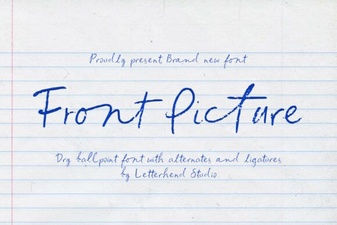 Choosing Fonts for Hero Images & Landing Pages
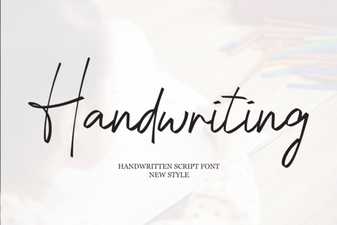 Beautiful Handwriting Fonts for Your Creative Projects
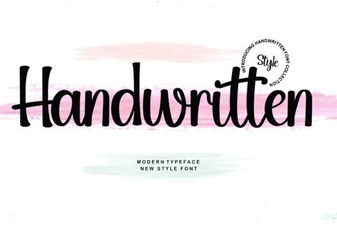 Craft Unique Projects with Handwritten Font Styles
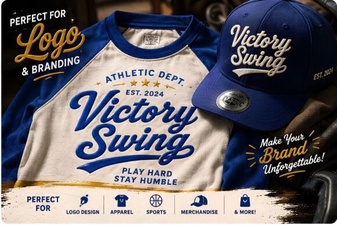 Victory Swing Font: Elegant Design for Creative Projects
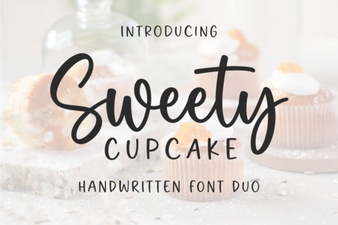 Sweet Cupcake Font: Craft Creative & Fun Designs
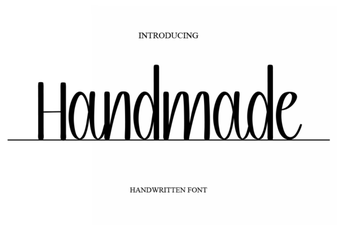 Unique Handmade Fonts for Creative Projects