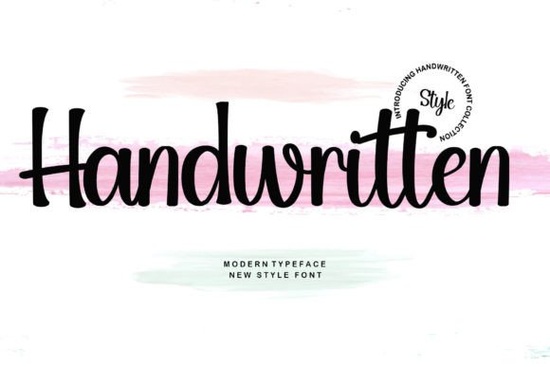
If you are looking for a typeface that feels personal without sacrificing readability, Handwritten Font delivers exactly that balance. Inspired by classic calligraphy but updated with a clean, contemporary rhythm, it works well for designers, crafters, and small business owners who need lettering that looks authentically crafted. The strokes carry a natural flow, making it a reliable choice for everything from wedding stationery to print-on-demand apparel.
What makes this style work for modern design projects?
Traditional calligraphy often feels too formal or hard to read at smaller sizes. This typeface keeps the elegant curves but spaces characters for better legibility. The consistent baseline and smooth connections give your text a polished look without manual kerning. For creative hobbyists and boutique brands, that reliability saves layout time and keeps messaging clear. You get the warmth of hand-drawn letters without the uneven tracking that usually slows down production.
Where should you actually use a handwritten typeface?
Script lettering shines when you want to add a human touch to digital or physical products. I recommend using it for short headlines, brand signatures, and decorative accents rather than long paragraphs. It performs especially well on:
- Custom wedding invitations and event programs
- Print-on-demand mugs, tote bags, and greeting cards
- Social media quote graphics and Pinterest pins
- Small business packaging labels and thank-you tags
When you need a slightly more playful alternative for children’s products or nursery decor, you might also explore options like soft bohemian lettering to match a lighter theme. For projects that require a bouncy, energetic rhythm, checking out dynamic swing-style scripts can give your layout a different kind of movement.
How do you pair script letters with other typefaces?
Pairing handwritten styles with another decorative font usually creates visual clutter. Keep supporting text simple. A clean sans-serif or sturdy serif grounds the design and lets the script breathe. Use the handwritten style for names or short phrases, and reserve the secondary font for dates, addresses, or product details. Test combinations at multiple sizes before finalizing. You can also look at how craft-focused lettering handles weight contrast, or review display-friendly scripts to see how spacing changes the mood.
What file formats and licensing details should you check before downloading?
Most packages include OTF and TTF files that install smoothly on Windows and Mac. If you use cutting machines or platforms like Canva, install the files in your operating system first. Licensing matters just as much as compatibility. Always verify commercial rights before selling physical products, digital templates, or client work. You can preview the full character set and license details for Handwritten Font before adding it to your library. If you need a formal signature style for luxury branding, elegant signature scripts often provide that refined finish.
How do you get the best results when printing or cutting?
Script typefaces lose detail when output settings are rushed. Print at a higher DPI and test on your final paper stock, since textured cardstock softens thin strokes. For vinyl or heat transfer, increase letter spacing slightly and avoid sizes under half an inch. Weeding becomes much easier when blades have room to track the curves. Always run a test proof before a full production run.
Before you start your next layout, run through this quick checklist:
- Install both OTF and TTF versions to ensure software compatibility
- Pair the script with a simple sans-serif or serif for body text
- Keep handwritten elements to headlines, names, or short phrases
- Verify commercial licensing if you plan to sell finished products
- Run a test print or cut at actual size to check stroke clarity
Save your preferred pairing and spacing settings as a template, and you will cut down layout time on every future project.
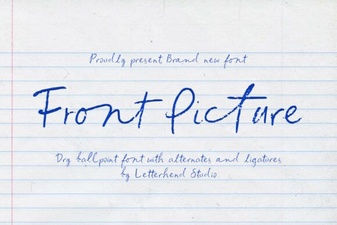 Choosing Fonts for Hero Images & Landing Pages
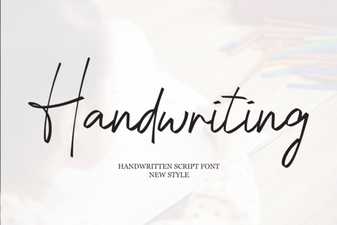 Beautiful Handwriting Fonts for Your Creative Projects
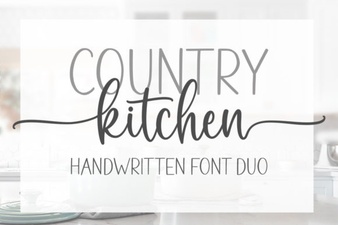 Country Kitchen Fonts for Home & Craft Projects
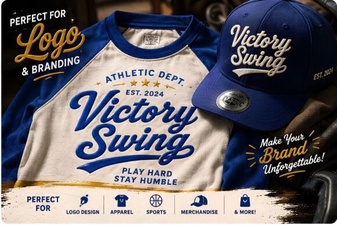 Victory Swing Font: Elegant Design for Creative Projects
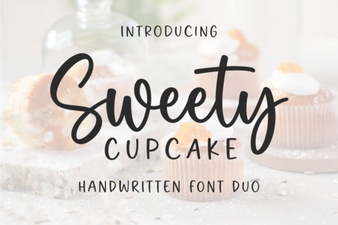 Sweet Cupcake Font: Craft Creative & Fun Designs
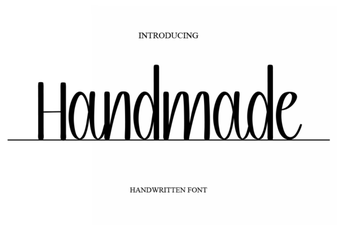 Unique Handmade Fonts for Creative Projects