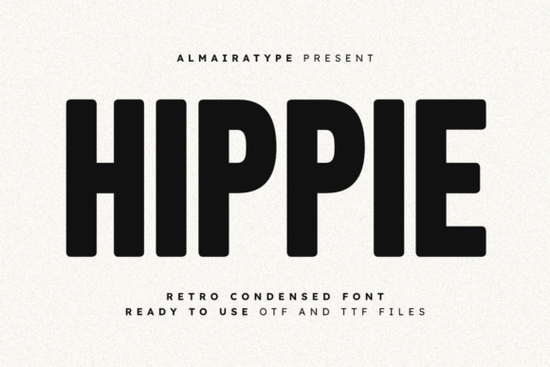
If you need a typeface that grabs attention without overwhelming your layout, Hippie Font delivers exactly that. This retro condensed typeface combines the warm, rounded edges of 1970s and 1980s lettering with a clean, minimalist structure that fits modern design workflows. Designers, print-on-demand sellers, and crafters often look for fonts that balance personality with readability, and this one keeps letters tall, sturdy, and easy to scale across different mediums.
What makes this retro typeface work for modern projects?
The secret lies in its condensed proportions and slightly softened corners. Condensed fonts naturally save horizontal space, which means you can fit longer headlines on t-shirts, posters, or social media graphics without shrinking the text to an unreadable size. The subtle rounding on each character removes the harshness that some bold sans serifs carry, giving your layouts a more approachable, vintage-inspired feel. When you pair it with plenty of white space or a simple background, the letters stand out clearly while keeping a professional tone. If you are exploring other sans serif options with a similar retro vibe, you will notice how the balanced weight distribution helps maintain visual harmony across different screen sizes and print formats.
Which design projects benefit most from a condensed layout?
Because the characters are tall and narrow, this typeface shines in applications where space is limited but impact matters. Consider using it for:
- Apparel and merchandise: Short phrases or vintage-style quotes that sit cleanly across chest prints.
- Social media headers: Bold text that remains legible on mobile screens without covering the main image.
- Packaging and labels: Product names that require a sturdy, professional presence.
- Logo wordmarks: Compact branding that scales well from business cards to storefront signage.
When working on print-on-demand listings, consistency matters. Using a reliable condensed font helps your mockups look polished and keeps your brand recognizable. Many sellers pair it with a lighter secondary font for descriptions, creating a clear visual hierarchy that guides the customer’s eye.
How does it perform with vinyl cutters and crafting machines?
Crafters who work with Cricut or Silhouette machines know that not every bold font cuts cleanly. Thick strokes can merge, and tight spacing often causes weeding headaches. This typeface avoids those common pitfalls by maintaining open counters and consistent stroke widths. The slightly rounded terminals reduce sharp points that can tear vinyl during application, making it a practical choice for stickers, decals, and heat transfer projects. Before sending your design to the cutting mat, remember to convert the text to outlines in your design software. This step locks in the letter shapes and prevents substitution issues. If you enjoy experimenting with different lettering styles for handmade goods, you might also want to see how alternative sans serif typefaces handle detailed craft cuts to find the right match for your material thickness.
What should you check before adding it to your workflow?
Typography choices affect more than just aesthetics. They influence file compatibility, licensing compliance, and production speed. Before installing any new font, verify that the package includes the file formats you actually need. Most professional workflows rely on OTF or TTF files for desktop design, while web projects may require WOFF versions. Check the character set to ensure it supports the punctuation, numbers, and special glyphs your projects demand.
Licensing is equally important. If you plan to sell physical items or digital templates, confirm that the license covers commercial use and print-on-demand distribution. Many creators overlook this step and run into issues when scaling their shops. You can review the full licensing details and download options for Hippie Font directly through the official marketplace page.
Quick setup checklist before you start designing
- Install the font file and restart your design software to ensure proper recognition.
- Test a few sample words at different sizes to check readability on screen and print proofs.
- Adjust tracking slightly if you plan to use all caps, as condensed fonts often need more breathing room.
- Convert text to outlines before exporting files for vinyl cutting or sending designs to a print provider.
- Keep a record of your license file in a dedicated folder for quick reference during shop audits.
Start with a simple mockup, test the cut or print quality, and refine your spacing before rolling it out across your full product line. Consistent typography paired with careful file preparation will keep your workflow smooth and your finished pieces looking professional.
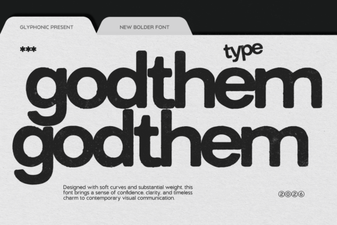 Godthem Font: Creative Projects & Download Tips
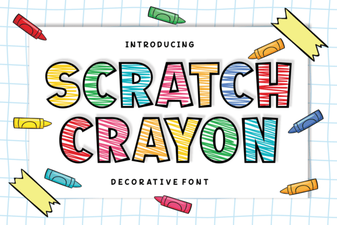 Scratch Crayon Font: Fun Diy Project Ideas
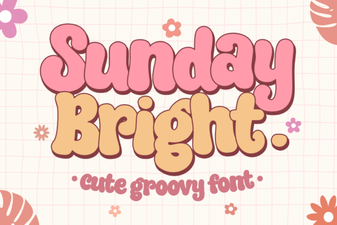 Sunday Bright Font for Creative Digital Projects
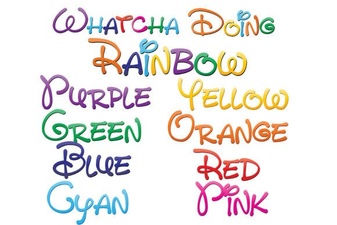 Download the Free Whatcha Doing Font for Your Design Projects
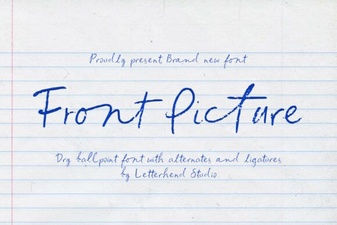 Choosing Fonts for Hero Images & Landing Pages
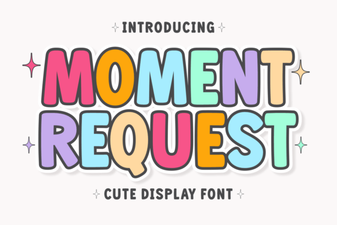 Crafting Projects with Moment Request Font