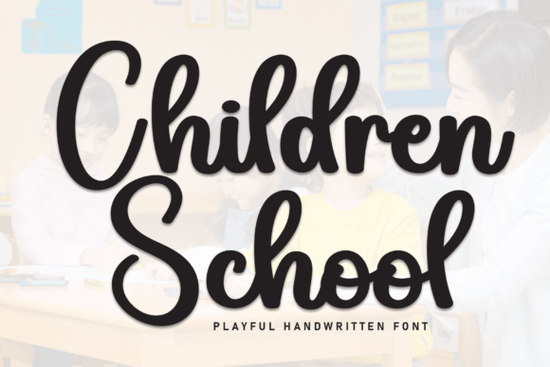
If you need a handwritten typeface that feels both playful and polished, the Children School font delivers exactly that. It’s a flowing script with gentle curves and a light rhythm, making it a practical choice for Instagram graphics, DIY craft files, and small-batch print products. Instead of overly decorative lettering that fights for attention, this style keeps readability front and center while adding a personal touch to your layout.
What makes this script font work for everyday projects?
The strength of this typeface lies in its balanced stroke weight and natural baseline variation. Those small imperfections mimic real pen movement, which helps digital designs feel less rigid. For print-on-demand sellers, mockups look more authentic. For crafters cutting vinyl, the connected letters usually weed cleanly when sized correctly. The character set includes standard letters, numbers, and punctuation, so you can build complete quotes or product labels without switching fonts.
When designing for social media, legibility matters just as much as style. This script stays clear at medium sizes, and the open counters prevent letters from blending together on phone screens. If you regularly post story templates or Pinterest pins, you’ll notice how quickly it pairs with simple backgrounds.
Where does a handwritten style like this fit best?
Not every project needs formal calligraphy. Sometimes you just want something approachable. This typeface works well for:
- Teacher resources – name tags, reward certificates, and reading logs
- Small business packaging – thank you cards, product stickers, and mailers
- Family crafts – birthday banners, shower invites, and memory books
- Digital templates – Canva layouts, planner covers, and quote graphics
If your workflow leans toward quick turnarounds, a reliable script saves time. You won’t need to manually adjust every letter connection. The font handles most of the spacing, so you can focus on color and layout.
How do you pair it with other typefaces?
Script fonts rarely stand alone. They need a steady partner to ground the composition. When building a layout, try matching this style with a straightforward sans serif for body text. If you prefer something with a softer feel, you might explore relaxed boho lettering for accent words. For bold headers that need to grab attention first, strong display typefaces create a clear hierarchy without competing with the handwritten flow.
Another reliable approach is mixing this font with neatly aligned scripts when you want consistency across product lines. If your brand leans toward craft markets, pairing it with rustic handwritten letters keeps the mood warm. When designing for younger audiences, youthful playful type can complement the gentle curves without cluttering the page.
What should you check before using it in commercial work?
Before adding any font to a client project or store listing, verify the license details. Marketplace fonts often include personal and commercial options, but rules around digital downloads and logo usage can vary. Keep a copy of your receipt in your project folder. It saves headaches if a platform ever asks for proof of usage rights.
Test the font in your actual software before committing to a large batch. Open it in your design program and type out your longest phrase. Check how the connections behave at your intended cut size. Some script fonts need a slight size increase to prevent thin strokes from breaking during vinyl weeding. A quick test cut will show you exactly where to adjust. If you want to compare licensing options or browse similar styles, you can search for Children School directly on the marketplace.
Quick setup checklist before you start designing
- Install the OTF or TTF file and restart your software so the font registers correctly.
- Type a full sentence with mixed case and numbers to verify character coverage.
- Set line height to at least 1.2 to prevent ascenders and descenders from overlapping.
- Export a small test file at your final print size to check stroke thickness.
- Save your license document in the same folder as your source files for easy reference.
Start with a single mockup, adjust the spacing until the letters breathe, and reuse that setup across your next few products. Consistent typography makes your shop look polished without adding extra design time.
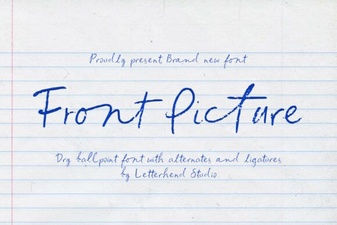 Choosing Fonts for Hero Images & Landing Pages
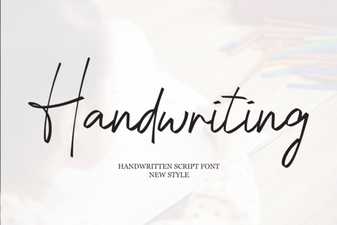 Beautiful Handwriting Fonts for Your Creative Projects
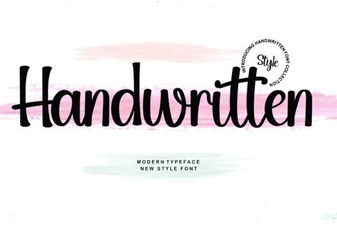 Craft Unique Projects with Handwritten Font Styles
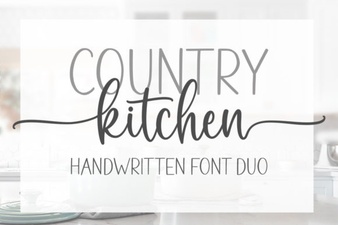 Country Kitchen Fonts for Home & Craft Projects
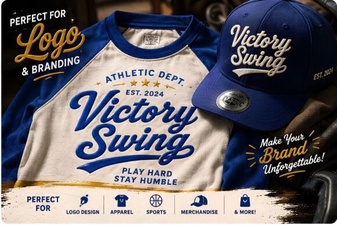 Victory Swing Font: Elegant Design for Creative Projects
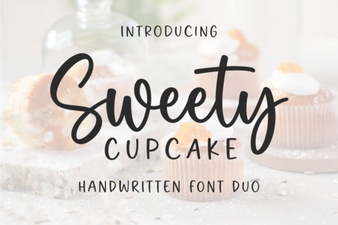 Sweet Cupcake Font: Craft Creative & Fun Designs