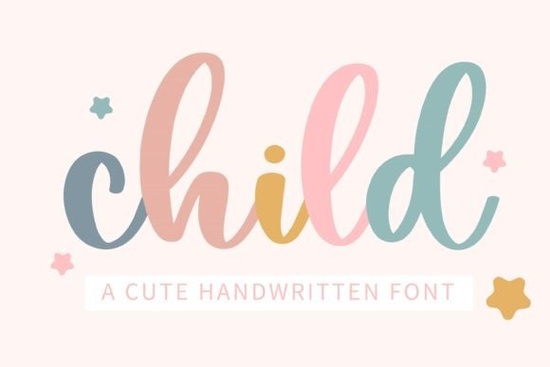
If you need a typeface that feels personal without looking messy, Child Font delivers exactly that. It is a sweet, handwritten script that balances playful curves with clean readability. Designers, crafters, and small shop owners often choose this style when they want their work to feel approachable. Whether you are laying out wedding stationery, designing printable wall art, or creating social media graphics, the letterforms keep a consistent rhythm that reads well at multiple sizes.
What makes this handwritten style work for everyday projects?
The charm comes from its natural flow. Each character connects smoothly, but the strokes never tangle or crowd each other. You can type longer phrases without awkward gaps or overlapping letters. That consistency saves layout time for print-on-demand sellers and hobbyists. You spend less time adjusting spacing and more time on composition. Like other reliable handmade lettering styles, it prioritizes legibility alongside personality, which keeps your designs looking polished instead of cluttered.
Which design projects fit a sweet, playful typeface?
Not every script belongs on a formal corporate brochure, but a gentle handwritten style shines in creative markets. Here are a few places where it performs reliably:
- Wedding and event stationery: Save-the-dates, menu cards, and welcome signs benefit from a warm, inviting tone.
- Nursery and kids’ room decor: Printable quotes, name signs, and milestone cards look cohesive when the lettering feels soft.
- Social media templates: Short headlines and quote overlays stand out without overpowering your photos.
- Small shop branding: Packaging labels and sticker sheets gain a personal touch that customers remember.
When you place this script on a cover image or main display graphic, keep the background simple. Clean negative space lets the curves breathe and prevents the layout from feeling heavy.
How do you pair it with other typefaces?
Script fonts rarely work well alone. They need a steady partner to handle body text or longer descriptions. A straightforward sans serif or a light serif usually does the job. Try using the handwritten style for names, short titles, or accent words, then switch to a neutral font for dates and fine print. If you are building a cohesive brand kit, you might also explore softer bohemian lettering options to create a relaxed, earthy palette. The key is contrast: let the script bring the personality, and let the supporting font handle the heavy reading. When you browse through authentic handwriting collections, you will notice that successful pairings always leave room for clear visual hierarchy.
What should you check before downloading a script font?
Before adding any typeface to your toolkit, run through a quick quality check. First, verify the file formats. Most design programs work smoothly with OTF or TTF files, while cutting machine users often prefer converted SVGs. Second, look at the character set. A complete alphabet with numerals and basic punctuation prevents last-minute substitutions. Third, review the licensing terms. Personal use covers hobbies and gifts, but client work and shop listings require a proper commercial license. You can find the full details and download options for Child Font directly on the marketplace. Finally, test the font at different sizes. Print a sample sheet to see how the strokes hold up on paper versus screen.
Where can you see more examples of this style?
If you want to compare weights or similar handwritten scripts, the dedicated category page for this lettering style collects related options in one place. Browsing side-by-side helps you decide whether you need a bolder stroke for stickers or a lighter touch for fine stationery. Keep a short list of backups for future client requests or seasonal product launches.
Quick next steps before you start designing:
- Install the font files and restart your software to avoid missing glyphs.
- Type out your full project text to check spacing and special characters.
- Pair the script with a clean sans serif for body copy and disclaimers.
- Export a test print at 100% scale to verify readability on your chosen paper.
- Confirm your license covers commercial sales if you plan to list products online.
Keep your layout simple, let the handwritten details do the talking, and you will have a polished design ready for print or web in just a few minutes.
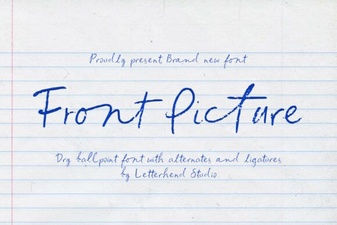 Choosing Fonts for Hero Images & Landing Pages
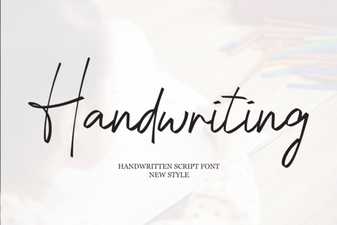 Beautiful Handwriting Fonts for Your Creative Projects
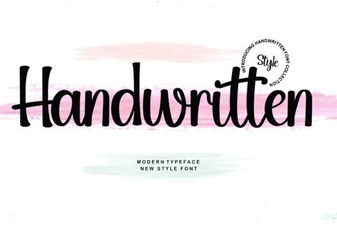 Craft Unique Projects with Handwritten Font Styles
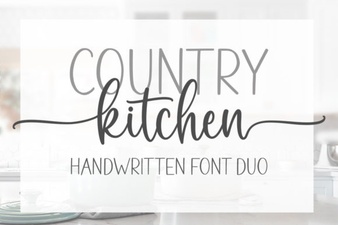 Country Kitchen Fonts for Home & Craft Projects
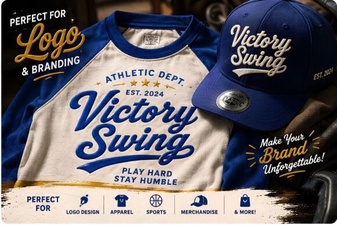 Victory Swing Font: Elegant Design for Creative Projects
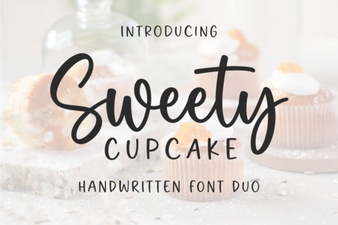 Sweet Cupcake Font: Craft Creative & Fun Designs