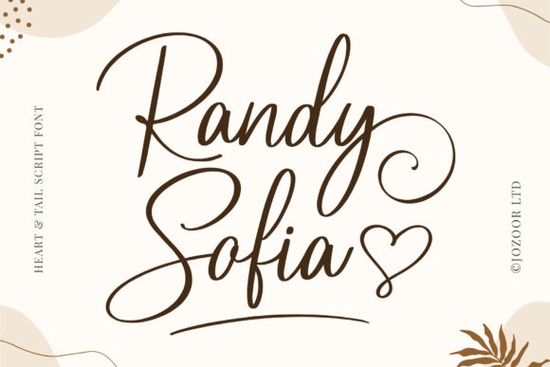
If you are looking for a handwriting style that feels both romantic and effortless, Randy Sofia Font delivers exactly that. This sweet calligraphy typeface features letters that gently bounce along the baseline, giving your text a natural, handwritten rhythm. Whether you are designing wedding invitations, branding for a small boutique, or print-on-demand quotes, the soft curves and flowing connections add a refined touch without feeling stiff or overly formal.
What makes this calligraphy typeface stand out?
Most script fonts struggle to balance readability with personality. This one keeps letterforms clean while allowing characters to move naturally across the page. The strokes mimic real pen pressure, and the spacing prevents cramped words. Because it is fully PUA encoded, you will not need extra software to reach alternate glyphs, swashes, or ligatures. Everything maps directly to your keyboard, which saves time when you are batch-producing designs for your shop or client projects.
Where does a romantic script font work best?
This style shines in projects that need a personal, handcrafted feel. Designers and crafters regularly use it for:
- Wedding suites, save-the-dates, and reception signage
- Product labels for candles, skincare, or small-batch goods
- Social media quotes and Pinterest graphics that need a soft touch
- Print-on-demand apparel and tote bags featuring short phrases
- Logo marks for photographers, florists, and boutique owners
Keep the text short. Script typefaces lose their charm when stretched into long paragraphs. Use this font for headlines, names, or two to three words max, then pair it with a clean sans serif for supporting details.
How do I access the special characters and ligatures?
Since the font is PUA encoded, you can pull up every alternate character inside standard design programs. In Illustrator or Photoshop, open the Glyphs panel to browse options. In Cricut Design Space or Silhouette Studio, you can type normally and switch to decorative versions without third-party tools. This makes it practical for crafters cutting vinyl or paper overlays. If you prefer a lighter aesthetic, you might also browse a soft pastel script collection to compare how different weights affect your layout.
What should I pair it with?
A flowing calligraphy font needs a steady partner. Stick to simple, geometric sans serifs that do not compete for attention. When testing combinations, place the script at a larger size and keep supporting text around half that scale. If you are building a brand kit, you might also experiment with a playful handwritten alternative for secondary accents, or switch to a rustic lettering style when your project calls for a grounded mood. For classroom materials, a friendly educational typeface keeps layouts readable, while a whimsical bakery-inspired script works nicely on dessert packaging.
Is it suitable for commercial and print-on-demand use?
Yes, provided you follow the licensing terms included with your download. Most marketplace fonts cover physical products, digital templates, and small-business branding. Always review the specific license file, especially if you plan to sell editable templates or embed the typeface in an app. For full details and current licensing options, you can view Randy Sofia Font on the official platform.
How do I get the best results when cutting or printing?
Script fonts with thin connections can break during vinyl weeding or laser cutting. Increase tracking slightly, weld your text in cutting software, or add a subtle offset to reinforce delicate strokes. When printing on textured paper, choose heavier stock so fine lines stay sharp. If you are digitizing for embroidery, simplify swashes and avoid overlapping ligatures, since thread density can blur small details.
Quick setup checklist before you export:
- Test your headline at actual print size to check readability
- Turn on ligatures and swap in alternates only where they improve flow
- Pair with a plain sans serif for body text and contact details
- Weld or merge overlapping letters before sending to a cutter
- Save an outlined version of your final design to preserve spacing across devices
Start with a single phrase, adjust the baseline shift until the rhythm feels natural, and export a test print. Small tweaks to spacing and alternates usually make the difference between a good layout and a polished one.
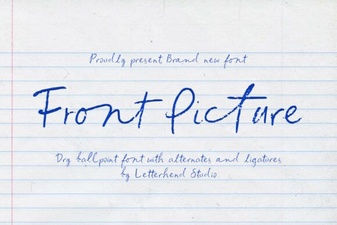 Choosing Fonts for Hero Images & Landing Pages
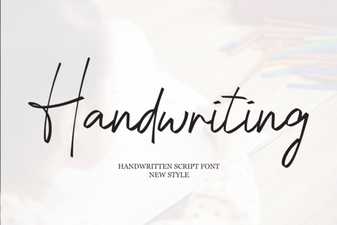 Beautiful Handwriting Fonts for Your Creative Projects
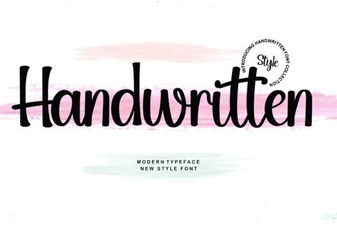 Craft Unique Projects with Handwritten Font Styles
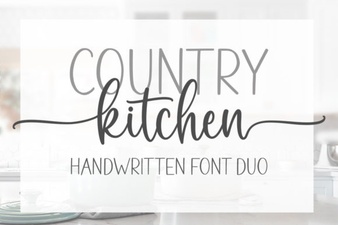 Country Kitchen Fonts for Home & Craft Projects
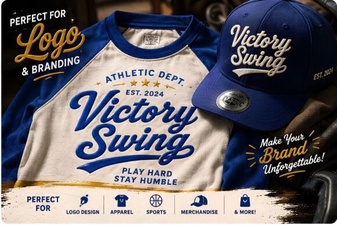 Victory Swing Font: Elegant Design for Creative Projects
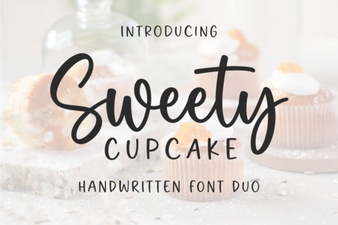 Sweet Cupcake Font: Craft Creative & Fun Designs